
EMDR and Brainspotting Methods
Evidence-based trauma processing approaches that respect the body, the mind, and the nervous system.
Brainspotting (BSP)
Understanding Brainspotting
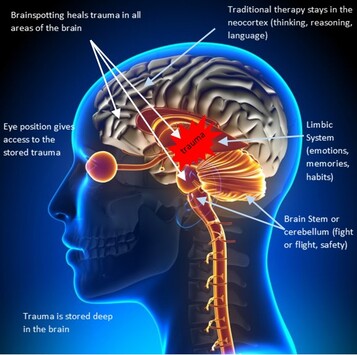
Brainspotting is a neurobiologically grounded therapy approach in which trauma and deep emotional experiences are addressed by working directly with the brain and nervous system. This method recognizes that many overwhelming experiences are stored not only in conscious memory but in the deep regions of the brain responsible for survival and emotional regulation.
Without forcing conversation, it opens space for the brain’s natural healing capacity and proceeds at a pace that respects the capacity of the person’s nervous system.
Development and History
Brainspotting was developed in 2003 by Dr. David Grand, an expert in EMDR and somatic trauma approaches. It was observed that specific eye positions are associated with intense emotional and bodily responses.
This approach focuses on subcortical structures such as the limbic system and brainstem, and is used as a particularly effective method for early, developmental, and attachment trauma.
Over the years, Brainspotting has been adopted internationally by trauma therapists, performance psychologists, and clinicians working with complex and developmental trauma.
Scientific Foundations
Clinical studies and neuroscience research show that Brainspotting is effective in the following areas:
- Trauma and PTSD symptoms
- Chronic anxiety and emotional regulation difficulties
- Developmental and attachment trauma
- Somatic symptoms linked to unresolved stress
- Performance blocks and emotional overload
Neuroscience research supports the core principles of Brainspotting: eye positions are linked to neural activation, and sustained focus can support processing in brain regions that are not easily reached through talk therapy alone. With its emphasis on bottom-up healing, neuroplasticity, and nervous system regulation, Brainspotting is aligned with modern trauma research.
How Brainspotting Works
In a Brainspotting session, the therapist helps the client identify a specific eye position — the brainspot — connected to their inner experience.
Once this spot is identified:
Focused Attention
The client gently maintains the eye position and directs attention to inner sensations, emotions, or images.
Attuned Presence
The therapist offers a steady, attuned presence throughout the process.
Organic Processing
There is no pressure to “make sense” of anything. The brain processes at its own rhythm.
Deep Integration
The process often results in a gentle reorganization of the nervous system and a deep sense of relief.
Session Length and What to Expect
Session Length
50–60 minutes
Approach
Client-led, nervous-system informed
Pacing
Slow, containing, and respectful
Clients may notice:
- Emotional release or a sense of relief
- Increased inner calm and clarity
- Shifts in bodily tension or energy
- Emotional regulation that develops over time
Some people notice significant change within a few sessions; for complex trauma, longer-term work is more appropriate.
Eye Movement Desensitization and Reprocessing (EMDR)
What Is EMDR?
EMDR is a scientifically validated therapy method that aims to help the brain reprocess traumatic memories in a healthy way.
Trauma can cause memories to become “stuck,” continuing to create distress long after the event has passed. EMDR helps the brain reprocess these memories, allowing them to be stored without feeling threatening or intensely charged.
History and Recognition
EMDR was developed in the late 1980s by Dr. Francine Shapiro, following her discovery that bilateral eye movements reduced the emotional distress associated with difficult memories.
Today, EMDR is internationally recognized as a first-line treatment for PTSD by organizations such as the World Health Organization (WHO) and the American Psychological Association (APA).
The therapy is based on the Adaptive Information Processing (AIP) model, which proposes that psychological symptoms arise when trauma disrupts the brain’s natural processing system.
Research and Clinical Evidence
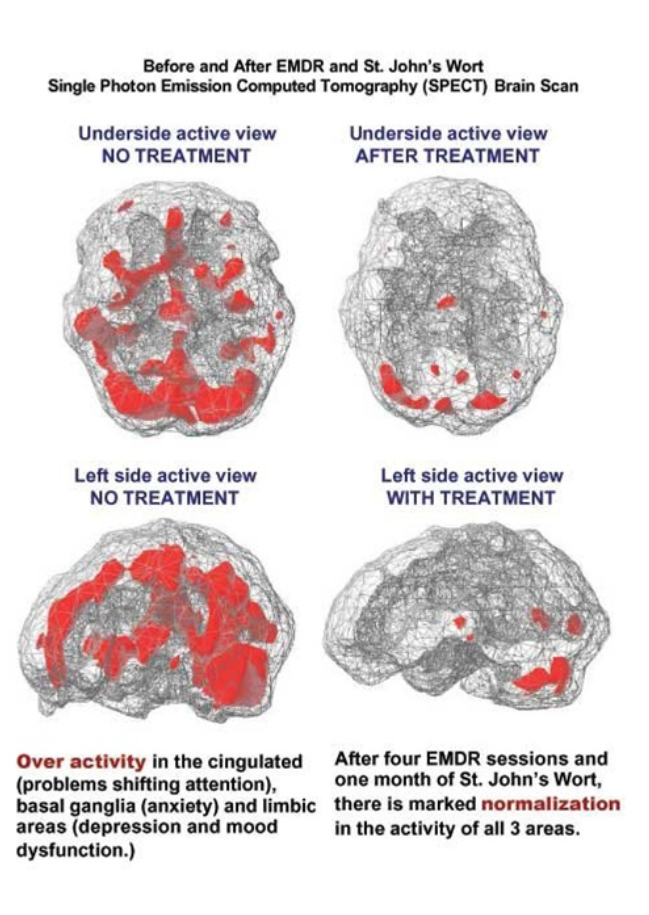
EMDR is one of the most extensively researched trauma therapies. Studies consistently show that EMDR:
- Effectively reduces PTSD symptoms
- Eases emotional triggers and intrusive memories
- Produces lasting improvement
- Is effective across cultures and age groups
Research shows that bilateral stimulation supports memory reconsolidation, allowing traumatic memories to be integrated rather than relived.
How EMDR Works
EMDR follows a structured 8-phase protocol that begins with stabilization and preparation. This ensures the client feels safe and ready before moving into trauma processing.
During reprocessing:
Memory Focus
The client briefly focuses on a traumatic memory while bilateral stimulation is applied.
Bilateral Stimulation
Eye movements, taps, or sounds are used to support the brain’s natural processing.
Natural Restructuring
The brain spontaneously reorganizes the memory and reduces its emotional charge.
Full Awareness
The client remains fully aware and in control throughout the process.
Session Length and Expected Results
Session Length
60–90 minutes
Structure
Clear, phased, and goal-oriented
Many clients report:
- Reduced emotional intensity of memories
- Fewer triggers and intrusive thoughts
- Increased positive self-beliefs and emotional resilience
Single-incident trauma can resolve relatively quickly, while complex trauma requires a more gradual, supportive approach.
How Brainspotting and EMDR Work Together
Both Brainspotting and EMDR are powerful trauma therapies, and they often complement each other.
EMDR
Offers a structured, memory-focused processing method using a clear protocol and bilateral stimulation.
Brainspotting
Accesses non-verbal and somatic layers of trauma stored in the subcortical brain and nervous system.
Some clients respond better to one approach, while others benefit from the integrative use of both, guided by their nervous system, history, and therapeutic goals.